

Ultrasonic lizard repellents emit high-frequency sound waves intended to deter lizards by creating an uncomfortable environment. Scientific studies provide mixed results; some show temporary avoidance, while long-term effectiveness often diminishes due to lizard habituation best lizard repellent. User experiences vary widely, with some seeing reduced lizards and others noting no change. Limitations include poor signal penetration and species differences. Alternative physical and natural deterrents may offer more reliable control. Further details explain these nuances and options.
How Ultrasonic Lizard Repellents Are Supposed To Work
Although the effectiveness of ultrasonic lizard repellents remains debated, these devices claim to deter lizards by emitting high-frequency sound waves that are inaudible to humans but uncomfortable for reptiles. The concept relies on disrupting lizards’ sensory perception igreenasia, creating an environment they find hostile, consequently encouraging them to vacate the area.
Designed for easy installation, these repellents offer a non-lethal, chemical-free alternative that aligns with individuals seeking humane pest control solutions without restricting their living spaces. By targeting specific frequencies, they aim to maintain ecological balance while preserving personal freedom from unwanted creatures.
However, the simplicity of the approach appeals to those wanting straightforward, low-maintenance methods to keep their environment lizard-free without compromising comfort or resorting to invasive measures.
What The Scientific Research Says About Their Effectiveness
In examining ultrasonic lizard repellents, scientific studies present mixed results regarding their efficacy. Some research indicates that ultrasonic waves may temporarily disturb lizard behavior, causing avoidance in controlled environments. However, these effects often diminish over time as lizards habituate to the stimuli. Furthermore, the variation in frequencies and intensities used by different devices complicates consistent outcomes.
Many studies highlight the lack of long-term data confirming sustained lizard deterrence. Additionally, external factors such as environmental conditions and species differences influence effectiveness. Overall, the scientific consensus remains inconclusive, with evidence suggesting limited and short-lived impact rather than reliable, enduring repellent action.
Freedom to choose pest control methods requires awareness of these scientific limitations before investing in ultrasonic lizard repellents.
Real User Experiences: Do These Devices Actually Keep Lizards Away?
How effective are ultrasonic lizard repellents according to those who have used them? User experiences vary widely.
Some report noticeable reductions in lizard presence after installing these devices, appreciating the non-toxic, hands-off approach that aligns with their desire for an unobtrusive solution.
Others find little to no change, expressing frustration over continued lizard activity despite consistent device use.
Many users emphasize the importance of proper placement and continuous operation to maximize potential benefits.
Overall, while some individuals claim success and value the freedom from chemical repellents, others remain skeptical, highlighting that these devices do not guarantee complete lizard deterrence.
The collective feedback suggests that effectiveness may depend on specific environmental factors and user expectations, reflecting a mix of cautious optimism and critical observation among those seeking liberation from unwanted reptiles.

Common Limitations And Why Ultrasonic Repellents Might Fail
While ultrasonic lizard repellents offer a chemical-free method to deter reptiles, their effectiveness is often hindered by several inherent limitations.
These devices rely on sound waves that may not penetrate walls or furniture, limiting coverage areas. Lizards can also become habituated to the ultrasound over time, diminishing the repellent’s impact. Additionally, the frequency emitted may not be within the best range to affect all lizard species equally. Environmental factors, such as ambient noise and obstacles, further reduce signal strength. Power source issues, including battery life and placement, also influence performance.
Ultimately, these limitations mean ultrasonic repellents may fail to provide consistent, all-encompassing protection, leaving some users seeking more reliable, long-term solutions that respect their independence while effectively managing unwanted reptiles.
Alternative Methods To Keep Lizards Out Of Your Home And Garden
Beyond ultrasonic repellents, several alternative strategies exist to deter lizards from homes and gardens effectively.
Physical barriers, such as sealing cracks and installing fine mesh screens, can prevent lizards from entering indoor spaces.
Maintaining cleanliness by removing food crumbs and standing water reduces attractants.
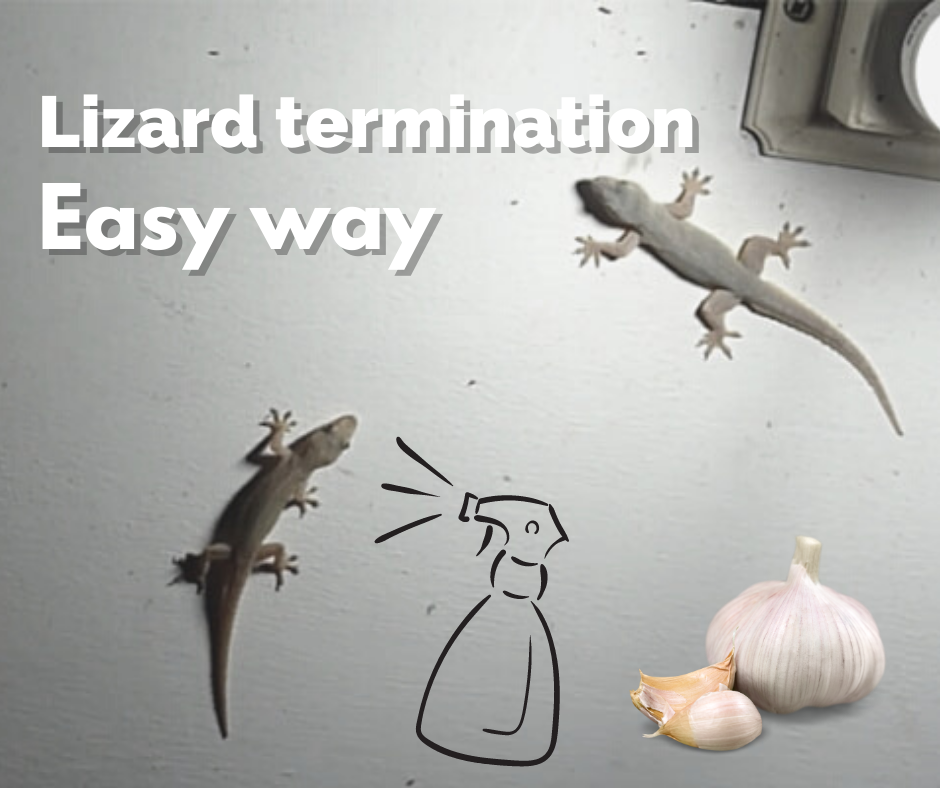
Natural repellents like garlic, onion, or pepper sprays may discourage lizards due to their strong odors.
Gardeners can plant lizard-repelling flora, including lemongrass and mint, to create an unwelcoming environment.
Employing predators like cats or birds also helps control lizard presence.
These methods offer freedom from reliance on electronic devices, promoting proactive and sustainable control.
Each approach requires consistent application and monitoring for optimal outcomes, empowering individuals to protect their living spaces without compromising natural balance.
Conclusion
Ultrasonic lizard repellents claim to deter lizards by emitting high-frequency sounds inaudible to humans. However, scientific research provides limited evidence supporting their consistent effectiveness. User experiences vary, with some noticing temporary relief while others report no change. Common limitations include lizards’ adaptability and sound range restrictions. For more reliable results, combining alternative methods such as physical barriers, habitat modification, and natural repellents is often recommended to effectively keep lizards away from homes and gardens.