
Without An Office, How Can We Train And Develop Our Employees Of The Future?
During the weeks and now months of working from home, we were able to take stock of our expectations for the work environment. During this long experience of telecommuting, many of us realized that it was possible to work from home. We even got to enjoy telecommuting, or at least some of its aspects. vs. For me, there is no doubt that the Covid-19 will bring a significant change in the way we work and in our workplaces, a change that was arguably already underway, but which has now accelerated, and to a pace.
 This of course has consequences for office spaces. Many have predicted its potential demise when it becomes surplus to needs. Many also sought ardently to defend it and put forward innovation, purpose, energy, talent, well-being, empowerment and strengthening culture. They all touched a sore spot with me, however, of course I don’t need to convince you of the value of an office.
All of these reasons are undoubtedly valid to justify the future need for an office for a business. But for me, there is one point that has often been forgotten when we talk nostalgically about our old office, and that is the ability to train and develop our staff and the collaborators of the future. Without an office, what to do?
 You can highlight training programs and e-learning courses that lead to graduation, but in my opinion, little can replace being able to learn on the job from those who surround you. I joined Savills in 2011 as we emerged from the last recession, and have never stopped learning since, mostly in the office or in meetings with my colleagues and clients. During the lockdown, this was one of the most difficult aspects. How can we continue to develop our employees and our teams when we work remotely? It’s not that easy to have these spontaneous conversations or questions with a colleague or manager,
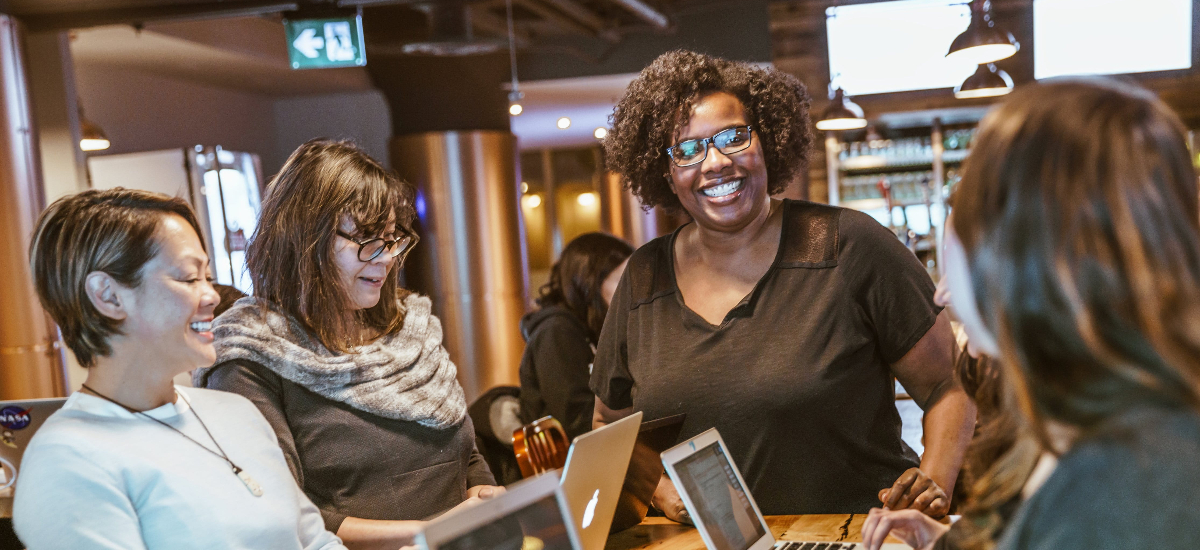
Personal growth and career development are essential parts of our growth and progression and we know that they are especially important for the younger generation who want to learn from those around them. Without spending some time in the office together, it is much more difficult to benefit from this absorption of information, advice and opinions from our colleagues.
The way we work has changed, but the need to learn and interact with others is something that will always be present. Returning to the office last week, I realized that I have never been so excited about the future of the workplace. The ability to create large workspaces for people and businesses, where they can learn, engage and grow, which is balanced by a flexible home / remote work strategy, makes the future of work very exciting.
…